
HRT Explained: A Pharmacist's Guide to What It Is, How It Works, and Who It Is For

If there is one topic I get asked about more than any other, it is HRT (hormone replacement therapy, the treatment that replaces oestrogen and progesterone during perimenopause and menopause). Women come to me confused, sometimes frightened, and often carrying a version of the story from 2002 that has not been updated since.
So this is me updating it.
As a women's health pharmacist and Independent Prescriber Trainee, I spend a lot of time in the evidence on hormonal health. This post is a plain-English guide to what HRT actually is, who it is for, how the different types compare, and what to ask if you're not getting the support you need.
What is HRT?
HRT replaces the hormones that naturally decrease during perimenopause (the transition into menopause, which can last several years before periods stop) and menopause (the point 12 months after your last period).
The primary hormone that decreases is oestrogen. In women who still have a uterus (womb), progesterone is added to protect the uterine lining. Testosterone for women is a third option, and one that does not get nearly enough attention.

The goal is not to turn back the clock. It is to restore enough hormonal support that your nervous system, bones, cardiovascular health, brain, and mood can function well.
Who is HRT for?
NICE (the National Institute for Health and Care Excellence, the UK body that sets clinical guidelines) recommends that HRT should be offered to women with menopausal symptoms where the benefits outweigh the risks.
That is a broader category than most women realise.
You do not need to have reached menopause. You do not need a particular blood test result. Perimenopause is a clinical diagnosis: if your symptoms fit the pattern and your age is consistent, that is enough to have an informed conversation with your GP about starting HRT. NICE is clear on this.
Symptoms that can respond well to HRT include: hot flushes and night sweats, brain fog, poor sleep, low mood, anxiety, joint aches, vaginal dryness, and reduced libido. These are not a list of things to tolerate. They are symptoms of a hormone change that has a treatment.
The types of HRT: what the options actually mean
Not all HRT is the same. The route of delivery, the hormones included, and the formulation all matter. Here is what is available.
Transdermal oestrogen: patches and gels
Transdermal (absorbed through the skin) oestrogen is the form most menopause specialists now recommend as first choice. There are two main options.
Patches deliver oestradiol (the form of oestrogen your ovaries produced before menopause) continuously through the skin. Depending on the product, they are applied twice weekly or once weekly. Because the hormone absorbs directly into the bloodstream rather than passing through the liver, transdermal oestrogen does not carry the same slightly increased VTE (venous thromboembolism, a type of blood clot in the veins) risk associated with oral oestrogen tablets. This is important for women with higher baseline VTE risk.
Gels also deliver transdermal oestradiol, applied daily to the skin of the arm or thigh. One advantage of gels is that the dose is easy to adjust gradually, which suits women who need to titrate (step up or step down in small increments) to find their optimal level.

Oral oestrogen tablets
Oestrogen tablets are convenient and familiar. They are taken daily by mouth. The trade-off is that oral oestrogen passes through the liver during absorption, which produces a slight increase in VTE risk and in certain proteins that affect blood pressure and clotting. For most healthy women this is a small absolute risk. For women with particular risk factors, transdermal routes are preferred.
Oestrogen sprays
Transdermal oestrogen is also available as a spray applied to the skin. Less commonly prescribed than patches or gels, but a useful option for women who prefer this method of application.
Progesterone: body-identical is not a marketing term
Any woman who still has a uterus needs progesterone alongside oestrogen in HRT. Without it, oestrogen taken alone increases the risk of endometrial cancer (cancer of the uterine lining). Progesterone prevents this by protecting the lining.
The type of progesterone matters.
Older combined HRT formulations used synthetic progestogens, which are not structurally identical to the progesterone your body makes. These synthetic versions have more side effects, and are associated with the modest increase in breast cancer risk that featured prominently in the 2002 WHI (Women's Health Initiative, a large US study) data.
Body-identical micronised progesterone is different. It is structurally identical to the progesterone your body produces. Research suggests it is better tolerated, with a more favourable side effect profile. It is taken orally at night, and there is good evidence that it supports sleep quality as well as protecting the uterine lining. This is one case where the newer approach is genuinely better, not just newer.

Current NICE guidance and most menopause specialists prefer body-identical HRT formulations, including micronised progesterone, where clinically appropriate.
Testosterone for women: the conversation we are not having
Testosterone is not only a male hormone. Women produce it too, in smaller amounts, and levels decrease through perimenopause. Low testosterone in women is associated with reduced libido, lower energy, and flattened mood.
The evidence for testosterone in women is solid. A systematic review published in The Lancet in 2019 found it improved sexual function and satisfaction in menopausal women. There is also emerging evidence for benefits in energy and cognitive function.
Despite this, testosterone is significantly under-prescribed in women. On the NHS it is not widely available for this indication. Women can access it privately, and it can make a real difference.
If you are on HRT and still not feeling yourself, particularly around energy and libido, testosterone is worth raising with your clinician.
Everyday foundations alongside HRT
HRT is the clinical treatment. These are the everyday nutritional foundations that support the same systems, sleep, bones, and energy, alongside it (never instead of it):

Zooki Liposomal Magnesium
From £29.99

Zooki Vitamin D & K2
From £24.99

Zooki Women's Multi
From £39.99
Food supplements, not a substitute for HRT or medical advice. Vitamin D supports normal bones and immune function; magnesium supports muscle and nervous system function.
The safety question: what the 2002 study actually showed
The WHI study caused enormous harm. Not because the science was wrong, but because the headlines were misleading, and the fear they created has lasted decades.
Here is what the study actually involved: older women, average age 63, who had been post-menopausal for many years. The HRT used was oral combined oestrogen and synthetic progestogen. The route was oral, not transdermal.
Here is what we now know from more than 20 years of updated evidence:
For most women under 60 who start HRT within 10 years of menopause, the benefits of HRT outweigh the risks. Transdermal oestrogen does not increase VTE risk. Body-identical progesterone has a more favourable profile than synthetic progestogens. The increased breast cancer risk from HRT, where it exists, is small: comparable in absolute terms to the risk associated with regular alcohol consumption or being overweight.
Every woman's risk profile is individual. HRT is not appropriate for everyone. But the blanket fear that has stopped millions of women from accessing a treatment that could genuinely improve their health is not supported by the current evidence.
What to ask your GP
If you are experiencing menopausal symptoms and want to discuss HRT, here are the questions that will move the conversation forward.
- "What type of HRT do you recommend, and why?"
- "Can I have transdermal oestrogen rather than oral tablets?"
- "Do you prescribe body-identical micronised progesterone?"
- "Can we discuss whether testosterone might be appropriate for me?"
If your GP tells you that blood tests are needed before they can diagnose perimenopause, you can refer them to the current NICE guidance, which is clear that perimenopause is a clinical diagnosis. Blood results are not required.
When to seek a specialist
If your GP is not up to date on current menopause evidence, or is reluctant to discuss HRT, you are entitled to ask for a referral to a menopause specialist. NHS menopause clinics exist. Private menopause clinics are accessible. You are not required to accept a dismissal.
The British Menopause Society website lists accredited healthcare professionals in the UK.
How long should you take HRT?
There is no fixed duration. Many women take HRT for five to ten years. Some take it longer. The decision is made individually, in conversation with your clinician, reviewed regularly.
The idea that HRT should be stopped after two years is outdated. It came from the same misinterpretation of the WHI data that caused the initial panic. NICE does not set a maximum duration. The right length of time is the one that continues to benefit you, with no new risk factors that change the calculation.
How I can help right now
I'm a Women's Health Pharmacist and Independent Prescriber Trainee based in Milton Keynes. I work with women who want to understand their hormonal health properly — not just get a leaflet and a pat on the head.
I now offer a Women's Health (HRT) Consultation at Debora Tentis Clinic. In this session, I'll go through your symptoms, your cycle history, and any blood test results you bring. I'll explain what the current evidence says in plain English, help you understand what your options are, and write you a professional pharmacist letter to take to your GP — with everything they need to have a proper conversation with you.
This is an education and support session, not a prescribing appointment. But it is the right starting point. It costs £49, and it can change the conversation you have with your GP entirely.
You have probably been putting this off. I understand why. But the evidence is on your side, and so am I.
Shop the Products in This Post
HRT supports skin at a systemic level. These products support skin firmness, repair, and resilience at a topical level, and work well alongside hormonal support:

AllSkin Med GF Firming Serum
£75

AllSkin Med GF Replenishing Cream
£70

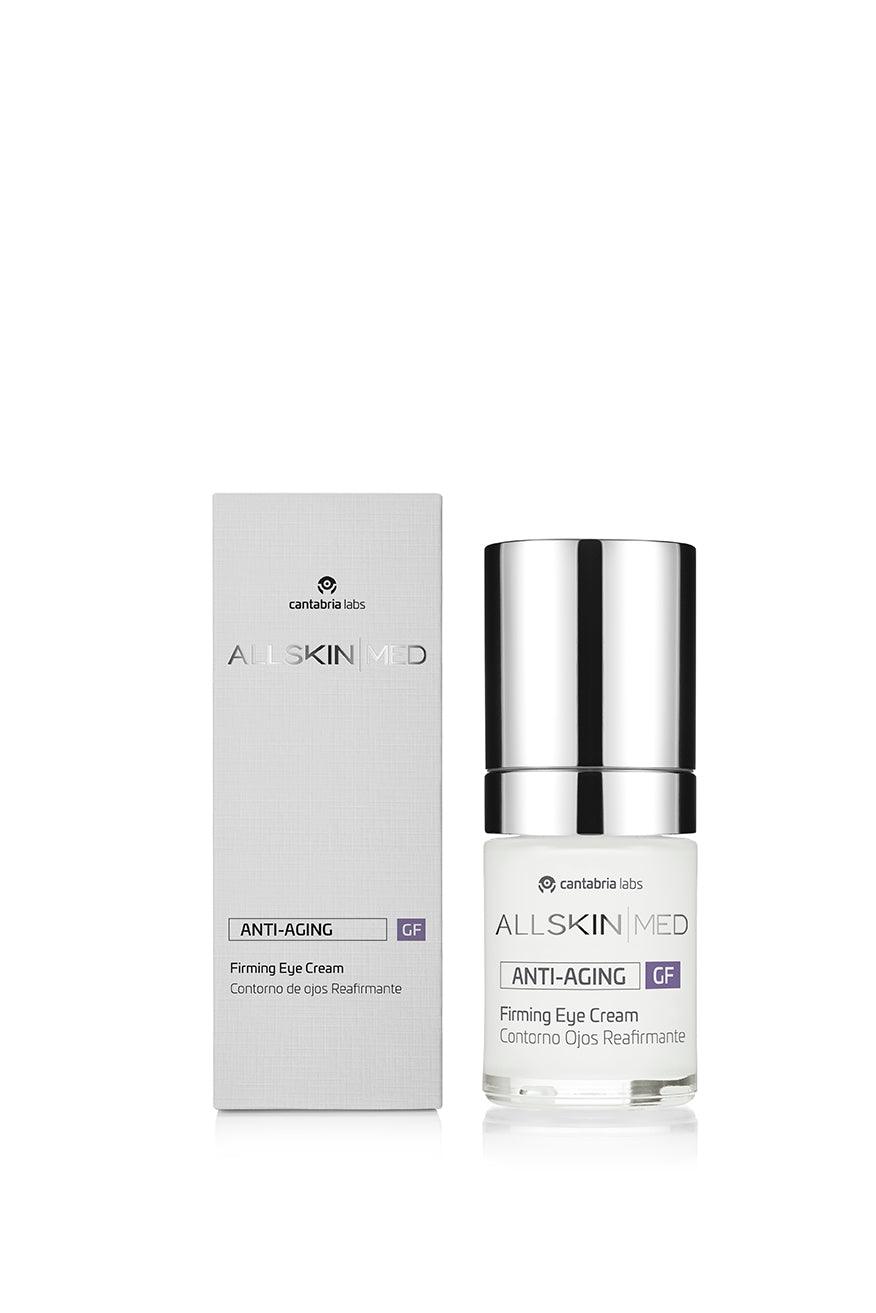
AllSkin Med GF Firming Eye Cream
£50

PRIORI DNA fx221 Recovery Serum
£99

SkinBetter InterFuse Intensive Treatment LINES
£140

SkinBetter Alto Advanced Defense and Repair Serum
£104

PRIORI Tetra fx251 SPF 50
£87
Browse the full range at deboratentis.com. To discuss your skin alongside your hormonal health, book a Happy Skin Holistic Consultation at Debora Tentis Clinic (£60).
Book your Women's Health (HRT) Consultation — £49 →
This post is educational content written by Debora Tentis, Women's Health Pharmacist and Independent Prescriber Trainee. It does not constitute medical advice and is not a substitute for a consultation with a qualified clinician. Always discuss individual treatment decisions with your own healthcare provider.






1 comment
Very useful information. Thank you. I leaned so much!