PMS: What Is Really Behind the Symptoms (and What You Can Do About It)

PMS (premenstrual syndrome, the collection of physical and emotional symptoms that appear in the week or two before a period) is not a personality flaw.
I say that because a significant number of women I speak to have been made to feel otherwise. Either they have dismissed their own symptoms as overreacting, or someone else did it for them. PMS has a clear physiological explanation, and once you understand it, the symptoms start to make a lot more sense.
What is actually happening in your body before your period
Your menstrual cycle has two halves. The follicular phase runs from Day 1 (the first day of your period) to ovulation. The luteal phase runs from ovulation to the next period, roughly Days 15 to 28 in a 28-day cycle.
PMS symptoms appear in the late luteal phase, usually Days 21 to 28. This is the window when both oestrogen and progesterone drop sharply in preparation for the period. That hormonal drop is not incidental. It is the direct cause of most PMS symptoms.
Understanding which symptoms are caused by which hormones makes this a lot less mysterious.

Why your mood drops before your period
Oestrogen supports serotonin activity. Serotonin is a neurotransmitter (a chemical messenger in the brain) associated with mood, calm, and general wellbeing. It is not the only thing oestrogen does, but for mood regulation, this connection matters enormously.
When oestrogen falls in the late luteal phase, serotonin activity falls with it. This is the direct neurological cause of the low mood and irritability that many women experience in the days before their period. It is not a mindset issue. It is not stress. It is a predictable neurological response to a predictable hormonal change.
Why pre-period anxiety is so common and so under-recognised
Progesterone acts on GABA receptors in the brain. GABA (gamma-aminobutyric acid, the brain's main calming neurotransmitter) is essentially the nervous system's brake pedal. When GABA activity is sufficient, the brain is better buffered against stress. Anxiety is less likely to take hold.
In the late luteal phase, progesterone drops. With it, GABA activity decreases. The nervous system becomes less regulated, and the threshold for anxiety lowers.
This is why many women experience new-onset anxiety, dread, or a sense of impending overwhelm in the days before their period, with no obvious trigger. It is not an anxiety disorder. It is a GABA support problem, and it is predictable based on where they are in their cycle.

It is also one of the most under-recognised PMS symptoms. Mood changes get labelled as PMS. Anxiety often gets labelled as something else entirely.
Bloating, digestive discomfort, and the gut connection
Two things happen in the late luteal phase that affect the gut.
Prostaglandins (PGs, hormone-like substances produced by the uterine lining as it prepares to shed) increase in the days leading up to a period and raise gut sensitivity, which is why digestive symptoms often appear alongside period pain.
Progesterone also has a relaxing effect on smooth muscle throughout the body, including the gut. When progesterone drops, gut motility becomes less predictable. Some women notice constipation in mid-luteal, followed by urgency as progesterone falls and prostaglandins rise. This is a direct hormonal effect, not a separate condition.
Breast tenderness and skin changes: not just something to put up with
Breast tenderness in the late luteal phase is linked to the oestrogen-to-progesterone ratio. As progesterone falls more sharply than oestrogen, there is a period of relative oestrogen surplus. Breast tissue is sensitive to oestrogen, and this imbalance can cause that characteristic tenderness and heaviness that many women notice in the days before their period.
The same hormonal swing shows up in your skin. In the days before a period, skin often becomes more reactive, more dehydrated, and more prone to breakouts. This is not your imagination, and it is not a reason to overhaul your routine. It is a reason to be gentler with it. A mild cleanser, a hydration boost, and a barrier-supportive moisturiser do more in this window than anything stripping or active.
The approach is not to suppress oestrogen. It is to support progesterone and improve oestrogen clearance.

SkinBetter Refresh Oxygen Infusion Wash
£38

PRIORI LCA fx161 Hydrofill Masque
£56

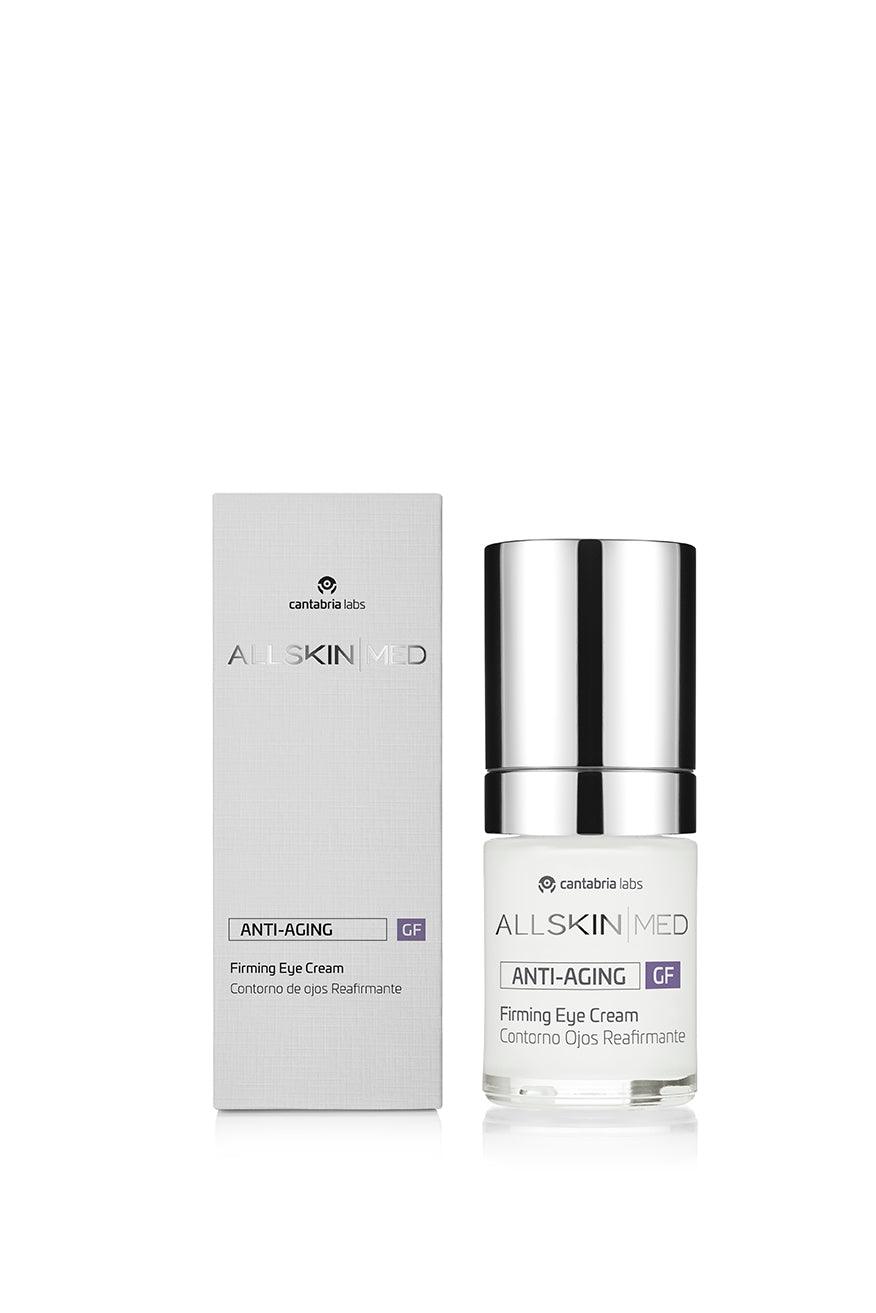
AllSkin Med GF Replenishing Cream
£70
Brain fog is real and it has a neurological basis
Oestrogen supports cognitive function directly. It supports blood flow to the brain and the production of acetylcholine (a neurotransmitter involved in memory and focus).
When oestrogen drops in the late luteal phase, some women notice difficulty concentrating, word-finding problems, and a sense of mental sluggishness. This is not imagined. It is a predictable consequence of reduced oestrogen support for brain function, and worth naming as a PMS symptom because many women do not connect brain fog to their cycle.
Why PMS often gets worse in your 40s
This is one I am asked about frequently, usually by women who managed PMS reasonably well in their 20s and 30s, and are now finding it significantly harder.
As perimenopause progresses, the hormonal pattern in the luteal phase becomes more erratic. Oestrogen can spike unpredictably and then drop steeply. The late luteal fall becomes more pronounced. The symptoms that followed a predictable pattern earlier in life now arrive with more intensity and less warning.
This is not a sign that something is wrong with you. It is a sign that hormonal fluctuations are becoming wider, a normal feature of perimenopause. PMS symptoms that were tolerable at 30 may become genuinely disruptive at 42, and that is worth taking seriously.
Related reading: If your symptoms point more to the second half of your cycle, it is worth understanding the hormone behind it. Low Progesterone: The Symptoms Your GP Might Miss.
What actually helps: the evidence-based approach
Magnesium glycinate
Magnesium is the supplement I come back to most often for PMS, and the evidence supports it.
Magnesium supports GABA activity, addressing the pre-period anxiety picture. It relaxes smooth muscle, helping with cramping, and supports progesterone activity. The form matters: magnesium glycinate is the best-absorbed form. Magnesium oxide, found in most cheap supplements, is poorly absorbed and largely wasted.


Magnesium glycinate is the well-absorbed form. Magnesium contributes to normal nervous system and muscle function. Food supplement, not a substitute for medical advice.
Complex carbohydrates in the luteal phase
This is not about overeating. It is about supporting serotonin production.
The precursor to serotonin is tryptophan, an amino acid that needs insulin to cross the blood-brain barrier. Complex carbohydrates (oats, sweet potato, lentils, brown rice) produce a steady insulin response that supports tryptophan uptake and, in turn, serotonin production. Eating complex carbohydrates in the luteal phase is one of the simplest nutritional levers for supporting mood in the days before a period.
Blood sugar stability matters here too. Prioritising protein and fibre at every meal in this window is a straightforward way to support mood and energy alongside the serotonin effect.
Reduce caffeine and alcohol
Both disrupt hormonal clearance by placing additional demand on the liver, which is responsible for metabolising oestrogen. Both worsen anxiety and sleep quality. In the late luteal phase, when the nervous system is already less regulated and oestrogen clearance matters more, reducing both is one of the highest-return changes you can make.
Support oestrogen clearance through the diet
The liver clears oestrogen through a process involving two phases of detoxification. Cruciferous vegetables (broccoli, kale, Brussels sprouts, cauliflower) contain a compound called indole-3-carbinol, which supports this clearance. Oestrogen that is not cleared efficiently is recirculated, contributing to the relative surplus in the late luteal phase that causes breast tenderness and oestrogen-dominant symptoms over time. Making cruciferous vegetables a consistent part of the diet, not an occasional addition, is one of the higher-value nutritional changes for this reason.
Prioritise sleep in the luteal phase
Disrupted sleep amplifies every PMS symptom. It raises cortisol, which worsens anxiety and disrupts blood sugar regulation. It reduces the brain's ability to regulate emotion. And it compounds the cognitive symptoms that oestrogen's fall already creates.
If sleep is reliably worse in the week before your period, given progesterone's falling GABA support, addressing sleep hygiene in this window specifically is worth prioritising.
When PMS might be PMDD
PMDD (premenstrual dysphoric disorder) is a distinct condition at the more severe end of the spectrum. The symptoms are the same as PMS but significantly more intense, to the point where they are debilitating: inability to function, severe depression, relationship breakdown in the days before a period, and rapid relief when the period starts.
PMDD is not "bad PMS." It is a specific condition that warrants clinical assessment. If your premenstrual symptoms are affecting your ability to work, your relationships, or your quality of life, speak to a GP or a specialist. It does not have to be this hard.
The bottom line
PMS is not inevitable and it is not a character failing. It is a hormonal event with clear neurological and physiological causes. Understanding those causes is the first step to addressing them effectively.
For many women, nutritional and lifestyle changes make a meaningful difference. For others, particularly those approaching perimenopause, a more structured clinical approach may be appropriate. Either way, your symptoms are worth taking seriously.
Shop the products for pre-period skin support
When skin becomes more reactive and dehydrated in the luteal phase, gentle and barrier-supportive wins over active and stripping. These are the products I recommend for skin that needs steady support through the second half of your cycle:
SkinBetter Refresh Oxygen Infusion Wash
£38

SkinBetter Refresh Cleansing Gel
£51

PRIORI LCA fx121 Skin Renewal Cream
£65
AllSkin Med GF Replenishing Cream
£70
PRIORI LCA fx161 Hydrofill Masque
£56

AllSkin Med C Radiance Gel
£65

PRIORI Tetra fx251 Broad Spectrum SPF 50 Tinted Sunscreen
£87
Browse the full range at deboratentis.com. To build a skincare plan that works with your cycle, book a Happy Skin Holistic Consultation at Debora Tentis Clinic (£60).
Want to go further?
The Beyond Prescriptions anti-inflammatory guide covers the full nutritional approach to hormonal health: oestrogen clearance, serotonin support, blood sugar regulation, and the foundations of a cycle-supportive diet.
If your PMS symptoms are showing up in your skin as well as your mood, a Happy Skin Holistic Consultation at Debora Tentis Clinic looks at both together. Skin, hormones, and lifestyle in a single 40-minute session, because what is happening inside your body rarely stays invisible on the outside.
Book a Happy Skin Holistic Consultation at Debora Tentis Clinic
Keep reading: Progesterone is one of the two hormones behind most PMS symptoms, and it is widely misunderstood. Progesterone: What It Actually Does (and Why It Gets Such a Bad Reputation).