The Follicular Phase: Why the Week After Your Period Is Your Skin's Best Week

If you've ever noticed that your skin looks noticeably better in the week or two after your period, you're not imagining it. Your cycle is doing something specific during that window, and once you understand what's happening, you can use it to get more from your skincare routine and from any clinic treatments you book.
This is cycle syncing applied to skin, and it's one of the most practical tools I use when advising clients on when to start new treatments or schedule their appointments.
What the follicular phase actually is
The follicular phase (FOL-ik-yoo-ler phase, the first half of your menstrual cycle) starts on Day 1 of your period and runs through to ovulation, which for most women falls somewhere around Day 13 or 14. During this phase, the ovarian follicles mature and oestrogen (the primary female sex hormone, produced mainly by the ovaries) rises from a low baseline, slowly at first, then more steadily from around Day 6 through to Day 13.
It's that rising oestrogen that matters for your skin.
Your skin barrier is stronger
Oestrogen supports the production of ceramides (lipid molecules that hold your skin barrier together and keep moisture in). As oestrogen rises through the follicular phase, your barrier becomes stronger and less reactive.

What does that mean in practice? It means your skin can handle more. Retinol, AHAs (alpha hydroxy acids, exfoliating acids such as glycolic and lactic acid), and BHAs (beta hydroxy acids, like salicylic acid) are better tolerated in this phase. If you've been wanting to introduce a new active but you're prone to sensitivity, the follicular phase is the best starting point. Your barrier is more resilient, so any initial adjustment is easier to manage, and healing after any mild reaction is faster.
Collagen production gets a boost
Oestrogen supports collagen synthesis, and collagen is what keeps skin firm, smooth, and structured. During the follicular phase, as oestrogen rises, your skin has a better environment for producing and maintaining collagen.
This makes the follicular phase the best window for any treatment that works by stimulating collagen: facials that use actives to support cell turnover, microneedling, and peels. Your skin is in a more receptive state, healing is faster, and the inflammatory response after treatment resolves more quickly because your immune system is running at a higher level during this phase (more on that below).
If you're considering a Radiance Reset Facial or a Retinol Peel at Debora Tentis Clinic, booking during the follicular phase gives you the best starting conditions.
Sebum decreases and clarity returns
Sebum (the oil your skin produces naturally) tends to be lower in the follicular phase than at other points in the cycle. This is the opposite of what happens in the premenstrual phase, when progesterone and androgens (male-type hormones that all women produce in smaller amounts) can increase oiliness, clogged pores, and breakouts.

In the follicular phase, skin is clearer, pores are less congested, and the overall texture is usually more even. If your skin tends to be oily or acne-prone and you want to start a new routine or book a facial while your skin is at its most cooperative, this is the window.
Products at Debora Tentis Clinic for the follicular phase
The follicular phase is the right time to introduce actives or step up your routine. These are the products I recommend for this window:
- SkinBetter AlphaRet Exfoliating Peel Pads — combined retinol and AHA peel pads for cell turnover and skin renewal. £109.
- AllSkin Med R Advanced Renewal Serum — advanced Vitamin A serum for skin renewal and texture refinement. £90.
- AllSkin Med AHA Retexturising Serum — alpha hydroxy acid serum for exfoliation, pore clarity, and skin texture. £75.
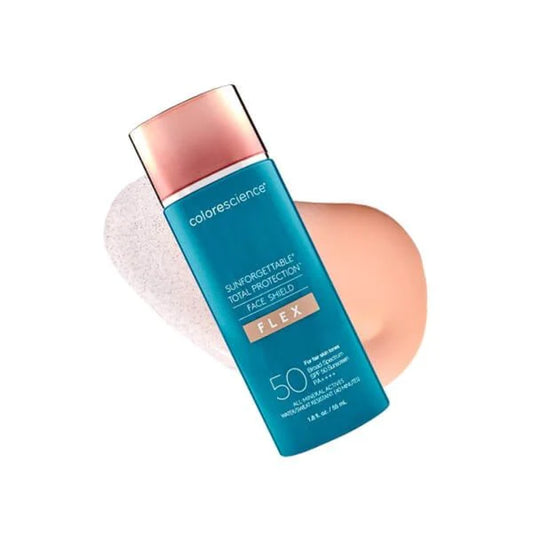
- PRIORI Tetra fx251 SPF 50 — tinted mineral SPF 50 with DNA repair enzymes and blue light protection. £87.
Pain tolerance is genuinely higher
This one surprises people, but it's well supported. Oestrogen has analgesic (pain-reducing) properties. As it rises in the follicular phase, your pain threshold increases, meaning treatments that involve any discomfort, including injectable treatments like anti-wrinkle injections or lip filler, are more comfortable during this phase than in the premenstrual or early menstrual phase.
There's also evidence that bruising risk is lower during the follicular phase. Oestrogen plays a role in vascular tone and how blood vessels respond to trauma. Lower oestrogen in the late luteal phase (the two weeks before your period) is associated with more vascular reactivity and a higher tendency to bruise.
If you're planning your first injectable treatment, or you've had a bad experience with bruising or discomfort in the past, choosing the follicular phase is a straightforward way to load the odds in your favour.
Your brain comes back online too
It is not only your skin that benefits. Oestrogen supports the activity of dopamine and serotonin, two neurotransmitters (brain signalling chemicals) that regulate mood, motivation, focus, and energy. As oestrogen rises in the follicular phase, most women notice their mental clarity improving, their energy returning, and their motivation picking up again.

If you've come out of a difficult premenstrual week feeling flat and foggy, the follicular phase is when that starts to lift. This makes it a good time for decision-making, starting new habits, and booking anything that requires you to commit to something new.
Healing is faster
The immune system does not stay constant across your cycle. Research shows that the immune response is more active and efficient in the follicular phase. This means that after any skin treatment involving inflammation, whether a peel, a facial, or an injectable, your skin recovers more quickly during this phase than it would in the luteal phase or during your period.
Faster recovery means less downtime, less post-treatment redness, and a shorter window before you see the result you came for.
What to do with this information
Here's the practical version.
If you want to start a new skincare active (retinol, glycolic acid, a new vitamin C), begin in the follicular phase, ideally around Day 5 to 7. Your barrier is building, your skin is tolerating more, and if there's any initial sensitivity, it will resolve faster.
If you're booking a facial or a peel, the follicular phase is the best timing window. Collagen support is higher, healing is faster, and your skin is clearer to begin with.
If you're considering an injectable treatment for the first time, or you want to minimise bruising and discomfort, book during the follicular phase. Pain tolerance is at its highest and vascular sensitivity is lower.
If you're starting a new skincare routine from scratch, this is the moment. A strong barrier means the products you introduce actually get to work without fighting against a compromised or reactive surface.
One thing worth saying: none of this means other phases of the cycle are off-limits for treatment. It means the follicular phase is the most favourable starting point, and for anyone who has found treatments uncomfortable or slow to heal in the past, timing can genuinely make a difference.
A note on cycle syncing and what it isn't
Cycle syncing gets a lot of attention on social media, and some of it overpromises. Not every health choice needs to be mapped to your cycle. But for skin treatments specifically, the science is solid. Oestrogen's effects on the skin barrier, collagen, sebum, pain tolerance, and immune response are well-documented. Using this knowledge to time your treatments is not trend-chasing; it's applying what we already know about how your hormones work.
As a Women's Health Pharmacist and Independent Prescriber Trainee, this is the kind of practical, evidence-based detail I bring into every consultation at Debora Tentis Clinic. Understanding your cycle means you can make better decisions, not just about treatment timing, but about how to care for your skin every month.
Ready to book?
If you'd like to plan your next facial, peel, or injectable treatment around your cycle, I'd be glad to help you choose the right treatment and the right timing.
Book your appointment at Debora Tentis Clinic via the link on my profile, or visit deboratentis.com to find out more about the treatments available.
Products and treatments at Debora Tentis Clinic
Whether you are starting a new active, booking a facial, or planning an injectable treatment, the follicular phase is the best window. These products support that:
- SkinBetter AlphaRet Exfoliating Peel Pads — combined retinol and AHA peel pads for cell turnover and skin renewal. £109.
- SkinBetter A-Team Duo Kit — retinol and antioxidant duo kit for cell turnover and daily defence. £146.50.
- AllSkin Med R Advanced Renewal Serum — advanced Vitamin A serum for skin renewal and texture refinement. £90.
- AllSkin Med AHA Retexturising Serum — alpha hydroxy acid serum for exfoliation, pore clarity, and skin texture. £75.
- PRIORI Tetra fx251 SPF 50 — tinted mineral SPF 50 with DNA repair enzymes and blue light protection. £87.
Browse the full range at deboratentis.com. To plan your treatment timing around your cycle, book a Skin and Skincare Consultation at Debora Tentis Clinic (£45).
Debora Tentis is a Women's Health Pharmacist and Independent Prescriber Trainee based in Milton Keynes, UK. Debora Tentis Clinic specialises in hormonal health, metabolic optimisation, and facial aesthetics for professional women.
This post is educational only and does not constitute medical advice. If you have concerns about your hormonal health or skin, please speak to a qualified healthcare professional.