My Skincare Routine at 25 vs What I Actually Do Now (And Why Everything Changed)

At 25, most of us have a lot of skincare products and very little skincare knowledge. That is not a criticism. It is just how it tends to go: buying things that sound promising, layering them in whatever order feels right, and wondering why skin is not performing the way the packaging implied it would.
More than a decade of clinical training later, the approach looks completely different. Not because of spending more money, but because of finally understanding what each step is actually doing and why.
This post is that comparison: the chaotic 25-year-old routine versus the evidence-based approach that holds up now. If any of it sounds familiar, that is entirely the point.
Cleansing: from foam twice a day to something gentler
At 25, the belief is usually in a thorough cleanse. Foam, twice a day, sometimes more after the gym. The tight, squeaky-clean feeling reads as a job well done.

What it actually does is strip the skin barrier. The skin barrier is the outermost layer of your skin: its job is to keep moisture in and irritants out. When it is functioning well, skin looks calm, plump, and even. When it is compromised, you get sensitivity, dryness, reactive redness, and in some people, an escalating cycle of breakouts or eczema flares.
For anyone managing eczema with topical treatments, an over-zealous cleansing habit can quietly undo the repair work every single day. The better approach is gentler: low-pH formulas, no harsh foaming agents, no over-washing. The goal is to remove what needs removing without disrupting the rest. For most people, that means one proper cleanse a day, not three.
The cleanse-and-protect basics
If you are rebuilding a stripped barrier or simplifying a routine, these are the gentle cleanse-and-protect products that fit the approach above:

AllSkin Med Hydrating Cleanser
£34

SkinBetter Refresh Cleansing Gel
£51

AllSkin Med Barrier Recovery Cream
£84
SPF: from "I'll put it on at the beach" to the single best thing you can do
This one stings a little in retrospect for almost everyone. At 25, SPF (sun protection factor, the measure of how well a product blocks UVB rays from damaging skin cells) tends to come out only for obviously sunny days. A holiday. A day out. Not a regular overcast Thursday in the UK, because what would be the point?
The point is UV radiation. UVA rays, specifically, are present year-round regardless of cloud cover, and they penetrate glass. They are the primary cause of photoageing: the breakdown of collagen, the formation of fine lines, and the development of pigmentation. UVB rays cause burning and are more season-dependent, but they also cause DNA damage at a cellular level.

A broad-spectrum SPF worn daily is the single most impactful anti-ageing step there is. Not a serum with peptides. Not a vitamin C. Not an expensive night cream. SPF, used consistently, and it is also one of the cheapest. Research from the University of Queensland found that daily sunscreen use reduced the visible signs of ageing compared to discretionary use over a four-year period. That was twenty years ago. The evidence since then has only got stronger. The genuinely evidence-based habit is wearing it every day, including overcast Thursdays.
Related reading: Skin barrier health is the foundation everything else sits on, and it is closely tied to what is happening internally. Oestrogen and Skin: The Clinical Connection.
Daily SPF options
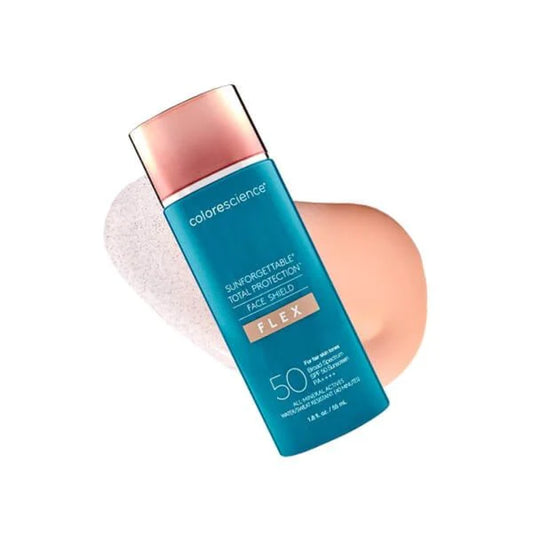
Daily SPF only works if you actually like wearing it. These are broad-spectrum options across textures and finishes:

PRIORI Tetra fx251 Broad Spectrum SPF 50 Tinted Sunscreen
£87

Heliocare 360 A-R Emulsion SPF 50
£25.50

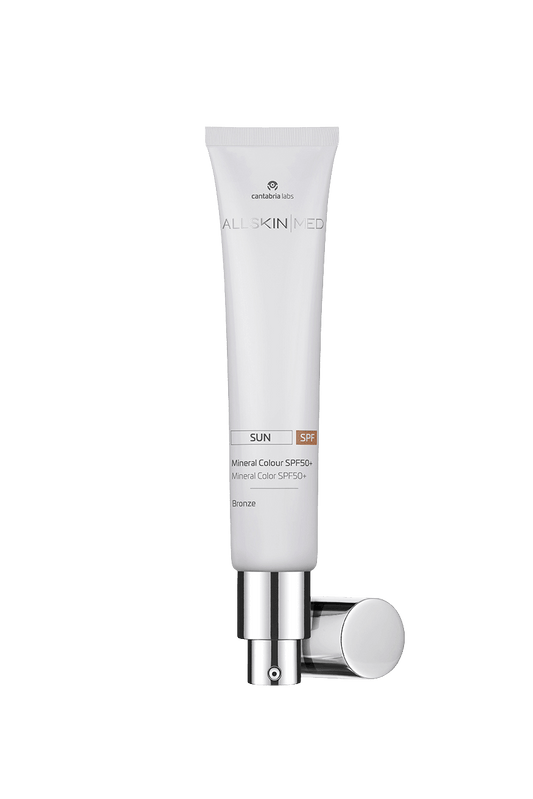
AllSkin Med SUN Mineral Colour SPF50 Cream
£45
Retinoids: never heard of them at 25, knowing the hierarchy now
At 25, plenty of people have never heard of retinol. Anti-ageing creams, yes, but those feel like something for people significantly older. That is also not how skin ageing works.
Retinoids are a family of vitamin A derivatives, ranging from the gentler over-the-counter forms like retinol and retinaldehyde to the stronger prescription-only tretinoin. They work by increasing skin cell turnover, supporting collagen production, and improving the appearance of fine lines, pigmentation, texture, and pore size. Research on tretinoin in particular goes back to the 1980s. It is the most evidence-supported topical anti-ageing ingredient that exists.

The mistake most people make when they start with retinoids is starting too strong, too fast. Retinoid reaction (redness, peeling, irritation in the first few weeks) puts people off. Starting low and slow, building frequency over weeks, and never using them on a compromised skin barrier avoids most of that. Over-the-counter retinol is a reasonable starting point for many women in their 30s. Prescription-strength options exist for those who need more.
Retinoids and renewal
If you are introducing a retinoid, gentle is the way in. These over-the-counter options range from a beginner-friendly retinal to overnight renewal:

Medik8 Crystal Retinal 1
£39.50

SkinBetter AlphaRet Overnight Cream
£70

AllSkin Med R Advanced Renewal Serum
£90
Actives: from buying everything to understanding that less is often more
At 25, the approach to serums is optimistic and chaotic. Vitamin C, glycolic acid (an AHA, or alpha hydroxy acid, a group of water-soluble acids used to exfoliate the skin surface), niacinamide, "brightening" this, "firming" that. On they go in whatever order, sometimes on top of each other, sometimes over an active that is not finished yet.
Here is what holds up clinically: many actives interact. Vitamin C and niacinamide can affect each other's stability at certain formulations and pH levels. AHAs used on a barrier that is already disrupted cause irritation rather than exfoliation. Layering too many actives does not multiply the benefits; it often reduces them and can cause reactive sensitivity.
A routine with two or three well-chosen, consistently used products will outperform a ten-step one built on enthusiasm rather than understanding. Support the skin barrier first, use targeted ingredients consistently, and give them enough time to actually do anything. Time is the ingredient most people skip: most actives need eight to twelve weeks of consistent use before results are noticeable, and most people stop at week three because nothing has happened yet.

Internal health: completely disconnected at 25, understanding everything is connected now
At 25, skin is treated as a surface problem with surface solutions. Little thought goes to what you are eating, how you are sleeping, or what your hormones are doing when skin flares.
That thinking changes substantially with clinical training. The skin-gut connection is well-documented in clinical literature. The gut microbiome (the community of bacteria and microorganisms in your digestive tract) influences inflammation throughout the body. That inflammation shows up in the skin. This is one reason people with gut issues, food intolerances, or significant stress often find their skin reactive in ways that topical products cannot fully address.
The hormone piece is equally significant. Oestrogen (the primary female sex hormone) supports collagen production, skin hydration, and barrier function. As oestrogen decreases in the perimenopause years, many women notice their skin becoming drier, more sensitive, and slower to heal. This is not a cosmetic inconvenience. It is the body's hormonal environment changing, and it affects the skin from the inside out.

This is why aesthetics and women's health are so genuinely connected. What you apply to your skin matters. What you eat, how you sleep, and what your hormones are doing matters at least as much.
Keep reading: If your skin reacts in ways topical products cannot fix, the gut may be part of the story. The Gut-Skin Axis: How Your Microbiome Impacts Eczema and Rosacea.
The point of all of this
You do not need to spend more to have better skin in your 30s than you did in your 20s. You need to understand what you are doing and why: a cleanser that protects the barrier instead of stripping it, daily SPF all year, a retinoid introduced slowly and used consistently, fewer actives used correctly, and some honest curiosity about whether what is happening internally is showing up externally.
None of this requires a twelve-step routine or a shelf full of expensive products. It requires the right information and a bit of patience. That is, in many ways, the same thing worth saying about most areas of women's health.
Shop the products in this post
These are the cleanse, protect, renew, and barrier-support products that make up an evidence-based routine:
AllSkin Med Hydrating Cleanser
£34
PRIORI Tetra fx251 Broad Spectrum SPF 50 Tinted Sunscreen
£87
Heliocare 360 A-R Emulsion SPF 50
£25.50
Medik8 Crystal Retinal 1
£39.50
SkinBetter AlphaRet Overnight Cream
£70

AllSkin Med C Radiance Gel
£65
AllSkin Med Barrier Recovery Cream
£84
Browse the full range at deboratentis.com. To build a routine that works with your skin and your hormones, book a Happy Skin Holistic Consultation at Debora Tentis Clinic.
Debora Tentis is a Women's Health Pharmacist and Independent Prescriber Trainee at Debora Tentis Clinic, Milton Keynes. This post is for educational purposes only and does not constitute medical advice.