What 30 Days of Fixing My Hormones Did to My Skin

I have been a pharmacist for over a decade. I have an aesthetics practice. I have shelves of knowledge about skin.
And for years, I was still not happy with mine.
It was not dramatic. I was not in crisis. But my skin was dull in a way I could not fix with serums. Slightly congested around the jawline. Slower to recover from stress. Not glowing the way it had done in my twenties.
I kept adding products. None of them moved the needle.
Then I started the 90 Hard Women's Health Challenge on 1st March 2026, and I stopped adding things to my skin. I started fixing what was happening inside instead.
Thirty days later, my skin is the clearest it has been in years.
Here is what I changed, and why it worked.

The connection most skincare brands will not tell you about
Your skin is not a beauty organ. It is a metabolic one.
The structure of your skin, its firmness, its ability to heal and regenerate, depends entirely on processes that happen inside your body: collagen synthesis, inflammation regulation, hormone balance, sleep-dependent repair.
No serum addresses any of those processes. Only your habits do.
Here is the specific science behind what changed for me.
1. Protein at every meal
Collagen is a protein. Your body cannot synthesise new collagen without a steady supply of amino acids, particularly glycine, proline, and hydroxyproline. Vitamin C is the rate-limiting co-factor: without it, collagen cross-linking cannot happen, regardless of what else you do.
Before this challenge, I was eating a protein-light breakfast (usually toast or porridge) and making up for it at dinner. That is the wrong direction. Your body's capacity to synthesise collagen is higher earlier in the day, when cortisol is naturally elevated and anabolic processes are more active.
I moved to 30 grams of protein at breakfast within 90 minutes of waking. Within two weeks, the congestion around my jawline had reduced noticeably.
2. Consistent sleep
Growth hormone peaks in the first 90 minutes of deep sleep. Growth hormone is responsible for cellular repair, including skin repair. Disrupted sleep, or inconsistent sleep timing, compresses your deep sleep windows and reduces the repair that happens overnight.
Before this challenge, my bedtime varied by up to two hours depending on the day. I was not sleeping badly. I was sleeping inconsistently, which for your hormones is almost the same thing.
I set a fixed bedtime of 10:30pm and a fixed wake time of 6:30am and held to it, including weekends. Within ten days, I started waking up with skin that looked rested in a way I had not noticed in years.
3. Morning light within 30 minutes of waking
This one surprised me the most.
Your cortisol rhythm, driven by your circadian clock, has a direct effect on skin inflammation. When cortisol is dysregulated (too high in the evening, too low in the morning), it increases systemic inflammation. Systemic inflammation degrades collagen. It also drives the kind of hormonal imbalance that shows up as breakouts, dullness, and slow healing.
Getting natural light into your eyes within 30 minutes of waking sets your cortisol curve for the day. It triggers the morning cortisol peak at the right time, which then suppresses it correctly in the evening.
It is not skincare. But it is affecting your skin more than most skincare products will.
What I did not change
No new serums. No new treatments. No change to the products I was already using.
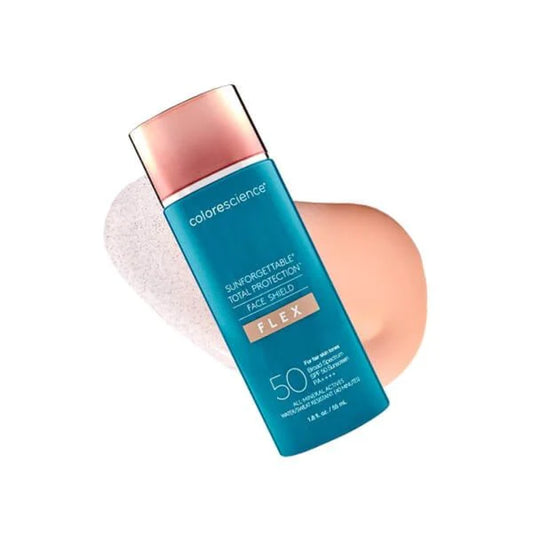
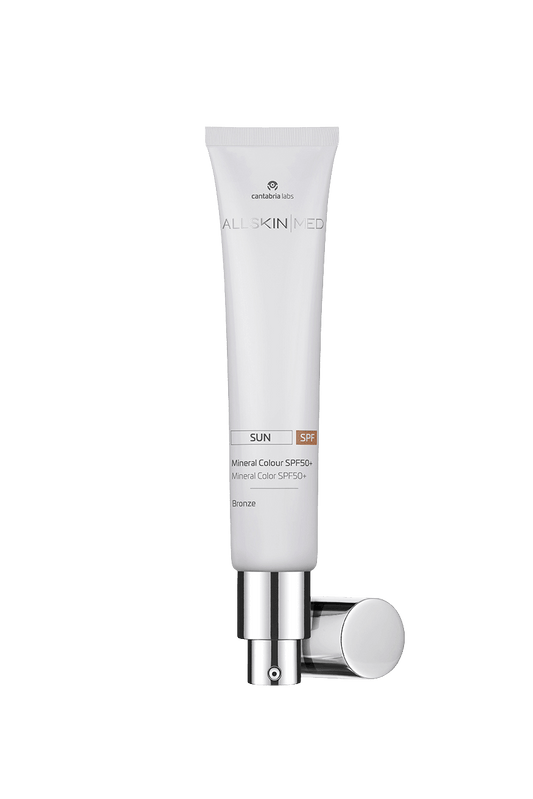
The only new topical I added was SPF, consistently, every morning. That is the one external intervention with genuinely robust evidence behind it.
Everything else was internal.
What this means for you
If your skin is not responding to products, the products are probably not the problem.
Ask yourself:
- Are you eating at least 25-30g of protein at breakfast?
- Are you going to bed and waking at the same time every day?
- Are you getting outside within the first 30 minutes of the morning?
These are not beauty habits. They are hormonal ones. And your skin is the most visible indicator of how your hormones are doing.
If you want to go further, the full 90 Hard Women's Health programme includes a complete skincare protocol alongside the nutrition, sleep, and movement pillars. It is 90 days of doing exactly what I described above, with the science explained at every step.
Join the 90 Hard Women's Health Challenge
---
*Debora Tentis is a Women's Health Pharmacist and Independent Prescriber based in Milton Keynes, UK. This article is for educational purposes and does not constitute medical advice. If you have concerns about your skin or hormonal health, please consult a healthcare professional.*