Why Your Skin Changes During Your Period: What You Can Do About It

If your skin reliably falls apart at the same point every month, you are not imagining it. The breakouts, the congestion, the sudden sensitivity that makes your usual cleanser feel like sandpaper — these are real, and they have a clear hormonal explanation. I'm a women's health pharmacist and Independent Prescriber Trainee, and understanding why this happens is one of the most useful things I teach my clients.
Here is the science, in plain English.
What Is Actually Happening to Your Hormones During Your Period
Your menstrual phase is the first few days of your cycle: the days you are bleeding. During this window, oestrogen and progesterone are at their lowest point in the entire cycle. That matters for your skin far more than most people realise.
Oestrogen is one of the key hormones that keeps the skin barrier working properly. It supports collagen production, helps retain moisture, and keeps the outermost layer of skin strong and intact. When oestrogen drops, so does your skin's natural ability to hold water and keep irritants out. The barrier is not broken, but it is noticeably more fragile. Think of it as a wall with fewer bricks for a few days.
Progesterone normally has a sebum-balancing effect. Sebum is the natural oil your skin produces, and it is useful in the right amounts. But when progesterone drops at the start of your period, that balancing effect disappears. Pores can look larger, the skin feels more congested, and you may notice small breakouts clustering around the chin and jawline — the classic hormonal pattern.

At the same time, the uterine lining sheds and the body releases prostaglandins (PGs, hormone-like substances produced when the uterine lining breaks down). Prostaglandins are what cause period cramps, but they also increase inflammation throughout the body. Your skin is not exempt. If your skin is already prone to redness or sensitivity, this systemic inflammation can make things noticeably worse.
Why Everything Feels More Painful This Week
There is one more piece to the picture that often gets overlooked: pain tolerance is genuinely lower during the menstrual phase.
Oestrogen has analgesic (pain-reducing) properties, so when oestrogen drops, so does your natural pain buffer. Prostaglandins also increase the sensitivity of nerve endings throughout the body. The result: things that would not normally bother you, a slightly too-hot shower, the pressure of a facial, even your usual toner, can feel more irritating or uncomfortable during this window.
This is not something that changes with willpower. It is a physiological response, and it is worth factoring in when you are thinking about skincare treatments and clinic appointments.
This Is Not a Skincare Failure
I want to be clear about this: if your skin becomes reactive or breaks out during your period, it does not mean your routine has stopped working, that you have developed a new intolerance, or that you need a new product. It means your skin is responding to a predictable hormonal event.

Understanding that pattern is useful. Instead of reaching for stronger products in frustration, you can adjust what you are doing for a few days and let the biology pass. Your skin will come back.
What to Skip During Your Period
This is the week to be kind rather than aggressive. The following are best paused for a few days:
Retinol. A powerful ingredient, but it works by increasing cell turnover and can temporarily compromise the skin barrier. With oestrogen low and the barrier already fragile, retinol is more likely to cause redness and peeling than results.
Strong exfoliant acids. AHAs (alpha hydroxy acids, water-soluble exfoliants that work on the surface of the skin) and BHAs (beta hydroxy acids, oil-soluble exfoliants that can penetrate into pores) are well worth using at the right time in your cycle. During your period is not that time. Exfoliating an already reactive skin barrier increases irritation without improving anything.
Extractions and deep-cleansing facials. Inflammation is already elevated this week. Any treatment that puts pressure on the skin or disrupts congestion manually carries a higher risk of post-inflammatory redness and bruising. The skin simply does not recover as quickly.

What to Use Instead
The goal this week is support, not transformation. A simple, consistent routine focused on protection and hydration will do more good than anything complicated.
Gentle cleanser. Something low-pH, fragrance-free, and non-stripping. You are washing your face, not preparing it for surgery.
Hydrating serum. Look for ingredients like hyaluronic acid (a humectant that draws water into the skin) or glycerin. Keep things simple.
Barrier-repair moisturiser. Ceramides (lipid molecules that form part of the skin barrier structure), fatty acids, and cholesterol are your friends here. They are the raw materials the barrier needs when oestrogen is not providing full support.
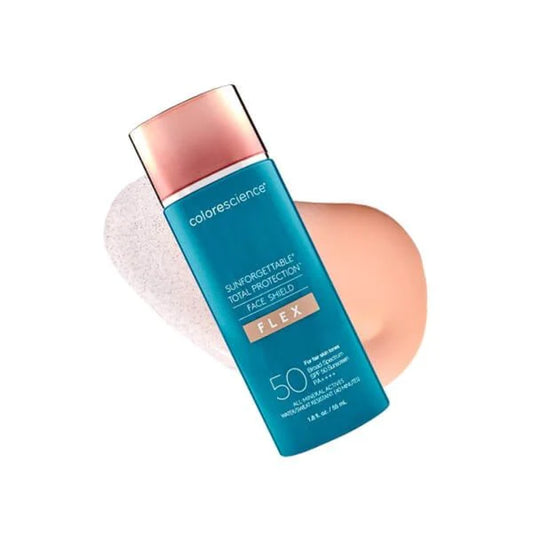
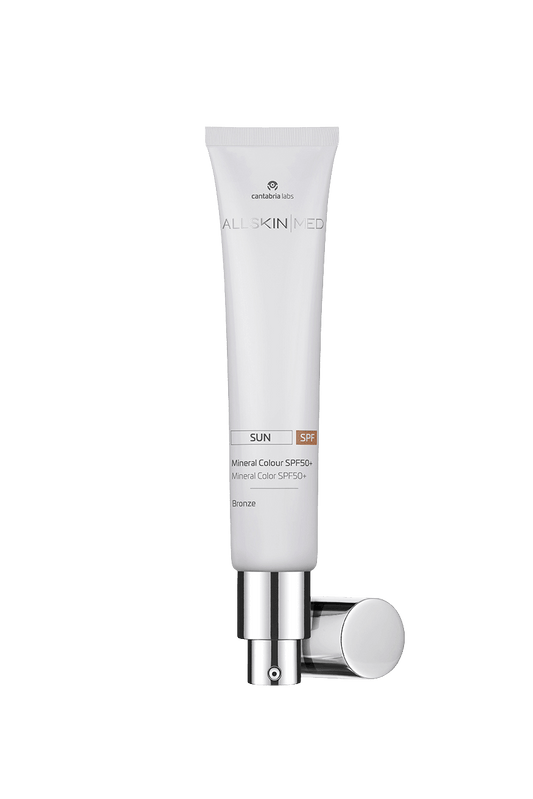
SPF (sun protection factor). Non-negotiable regardless of where you are in your cycle, but especially important when the barrier is more fragile and the skin is more reactive to UV exposure. Daily SPF protects the skin at every phase.
Helpful Ingredients to Look For
Three ingredients stand out for their anti-inflammatory and barrier-supporting properties during this window:
Niacinamide (vitamin B3, a multi-tasking ingredient that calms redness, supports the barrier, and helps regulate sebum production). Gentle, well-tolerated, and genuinely useful here.
Centella asiatica (a plant extract used in skincare for its calming and healing properties, also known as cica or tiger grass). Well-studied for reducing redness and supporting the skin barrier after irritation.
Oat extract (derived from colloidal oats, used for centuries to soothe reactive and sensitive skin). Anti-inflammatory and rich in compounds that help reinforce the skin's surface. Good for redness and itch-prone skin.
None of these require a prescription or a complicated routine. A moisturiser that contains one or more of them is often enough.
Products at Debora Tentis Clinic for reactive and hormonally-sensitive skin
These are the products I recommend for clients whose skin is more reactive or dehydrated in the premenstrual window:
- SkinBetter Refresh Oxygen Infusion Wash — gentle oxygen-based cleanser for sensitive and reactive skin. £38.
- PRIORI LCA fx121 Skin Renewal Cream — barrier-supportive moisturiser with lactic acid complex. £65.
- AllSkin Med GF Replenishing Cream — nourishing growth factor moisturiser for dry and perimenopausal skin. £70.
- PRIORI LCA fx161 Hydrofill Masque — intensive hydration masque for depleted or reactive skin. £56.
When to Book Your Treatments
If you want to get the most from a facial, a chemical peel, or a course of injectables, the timing matters.
The follicular phase, the week after your period ends, is the optimal window for most skin treatments. Oestrogen is rising, the skin barrier is recovering, cell turnover is increasing, and the skin's capacity to respond well to treatment is higher. Redness resolves more quickly, healing is faster, and results are generally better.
I always advise clients to book facials, peels, and aesthetic treatments in the follicular phase where possible. It is a small scheduling adjustment that makes a real difference.
A Note on Long-term Patterns
If your skin is consistently severe during your period, with deep cysts, significant pain, or redness that does not settle within a day or two, that can be a sign that broader hormonal imbalances are worth investigating. Cycle-related skin changes are normal, but they should not be debilitating.
If you are in your late 30s or 40s and noticing that your period-related skin symptoms are getting worse rather than better over time, it is also worth considering whether perimenopause-related hormonal changes are contributing. As the cycle becomes more irregular and oestrogen levels begin to fluctuate more widely, skin symptoms can become more unpredictable.
This is exactly the kind of pattern I look at in a skin consultation, where we go well beyond product recommendations and look at what your skin is telling you about what is happening hormonally.
Products and treatments at Debora Tentis Clinic
If your skin is consistently reactive, tight, or breaking out around your period, the following are a good starting point:
- SkinBetter Refresh Oxygen Infusion Wash — gentle oxygen-based cleanser for sensitive and reactive skin. £38.
- PRIORI LCA fx121 Skin Renewal Cream — barrier-supportive moisturiser with lactic acid complex. £65.
- AllSkin Med GF Replenishing Cream — nourishing growth factor moisturiser for dry and perimenopausal skin. £70.
- PRIORI LCA fx161 Hydrofill Masque — intensive hydration masque for depleted or reactive skin. £56.
- PRIORI Tetra fx251 SPF 50 — tinted mineral SPF 50 with DNA repair enzymes and blue light protection. £87.
Browse the full range at deboratentis.com, or book a Happy Skin Holistic Consultation at Debora Tentis Clinic (£60) for a skincare plan built around your cycle.
Ready to Understand Your Skin Beyond the Surface?
A Skin and Skincare Consultation at Debora Tentis Clinic looks at your skin as part of your whole health picture: your hormones, your cycle, your lifestyle, and your goals. Whether you are trying to get on top of hormonal breakouts, plan your treatment calendar around your cycle, or simply work out what your skin actually needs, we can build a clear, evidence-based plan together.
Book a consultation at deboratentis.com or find us on Instagram at @deboratentis.