Blood Sugar, Insulin, and Your Skin: What Metabolic Health Has to Do With How You Age

Most skincare conversations focus on products, sun exposure, sleep, and stress. All of those matter. But there is something running quietly in the background that has a significant effect on how skin looks and how fast it ages: what your body is doing with glucose, hour by hour.
The link between blood sugar, insulin, and skin quality is one of the most underappreciated areas in both metabolic health and aesthetics. This post explains the connection in plain language, why it matters more around perimenopause, and the lifestyle factors with the strongest evidence behind them.
What glycation is, and why your skin cares about it
Let me start with the concept that ties this whole post together: glycation.
When there is excess glucose in the bloodstream, glucose molecules attach themselves to proteins. This process is called glycation. It is not a sudden event. It is a slow, cumulative process that happens across years of repeated blood sugar highs. The proteins glucose attaches to include collagen (the structural protein that keeps skin firm and smooth) and elastin (the protein that gives skin its ability to bounce back).
Here is a useful analogy. Think about what happens when you caramelise sugar: you apply heat, the sugar reacts with the proteins in the food, and the structure changes. It becomes stiffer, less flexible, and takes on a different colour. Glycation in your skin is a similar reaction, but driven by excess glucose rather than heat. The proteins change shape. They become stiffer and less elastic. The result is skin that has lost some of its resilience.
The products of this reaction are called AGEs (advanced glycation end-products, proteins and fats altered by glucose, making tissue stiffer, duller, and slower to repair). Once AGEs form in the skin, they are very difficult to reverse. They accumulate with age, but the rate at which they accumulate is substantially affected by how well blood sugar is managed over time.

Insulin resistance and what it can look like on the skin
Insulin is the hormone your pancreas produces to help glucose from food enter your cells to be used as energy. In a healthy system this works smoothly: you eat, blood sugar rises, insulin is produced, glucose enters your cells, blood sugar comes back down.
Insulin resistance is what happens when cells stop responding to insulin as effectively as they should. Think of insulin as a key and your cells as locks. In insulin resistance, the key is still there, but the locks have become harder to turn. The pancreas responds by producing more insulin to compensate, so both glucose and insulin stay higher for longer after meals.
Over time, persistently elevated insulin affects the skin in several ways. Acanthosis nigricans (dark, velvety patches of thickened skin, most often on the neck, armpits, or groin) is one of the most direct visible signs of insulin resistance. It is often missed or attributed to other causes, but clinically it is a metabolic marker showing on the skin. Skin tags (small, soft, benign growths on the neck, armpits, and eyelids) are also associated with insulin resistance; research shows they are more common in people with elevated insulin and blood glucose. And wound healing becomes less efficient when blood sugar is consistently high, which matters in aesthetics because collagen-stimulating treatments all depend on the skin's ability to repair itself well.
Before we go further, a few foundational products that support antioxidant defence and a healthy barrier, which matters when you are thinking about skin quality from the inside out:

SkinBetter Alto Defense Serum
£164

AllSkin Med C Radiance Gel
£65

Exuviance Vitamin C Serum Capsules
£61

AllSkin Med GF Replenishing Cream
£70
Oestrogen, perimenopause, and the metabolic overlap
This is where two clinical areas meet.
Oestrogen improves insulin sensitivity. One of its many roles is to support the efficient uptake of glucose by cells, so blood sugar tends to be better regulated when oestrogen levels are higher. When oestrogen starts to fall in perimenopause (the transition in the years before the final period, typically beginning in the mid to late 40s), insulin sensitivity reduces and the body does not handle blood sugar as efficiently as before.
At the same time, oestrogen directly supports collagen production in the skin. In the first few years after oestrogen levels start to fall without hormonal support, skin thickness can reduce noticeably as collagen production decreases. So two things happen at once: the body manages blood sugar less well, increasing glycation risk, and the skin has less collagen to begin with.
This is part of why perimenopause can feel like the skin changes so fast. It often does, because the metabolic support that underpinned skin quality for decades reduces at the same time as the direct hormonal support. Many women find that understanding this overlap changes how they think about both their skin and their metabolic health.

Related reading: Oestrogen does a great deal for skin beyond collagen. For the full picture, read Oestrogen and Skin: The Clinical Connection.
The lifestyle factors that make the most difference
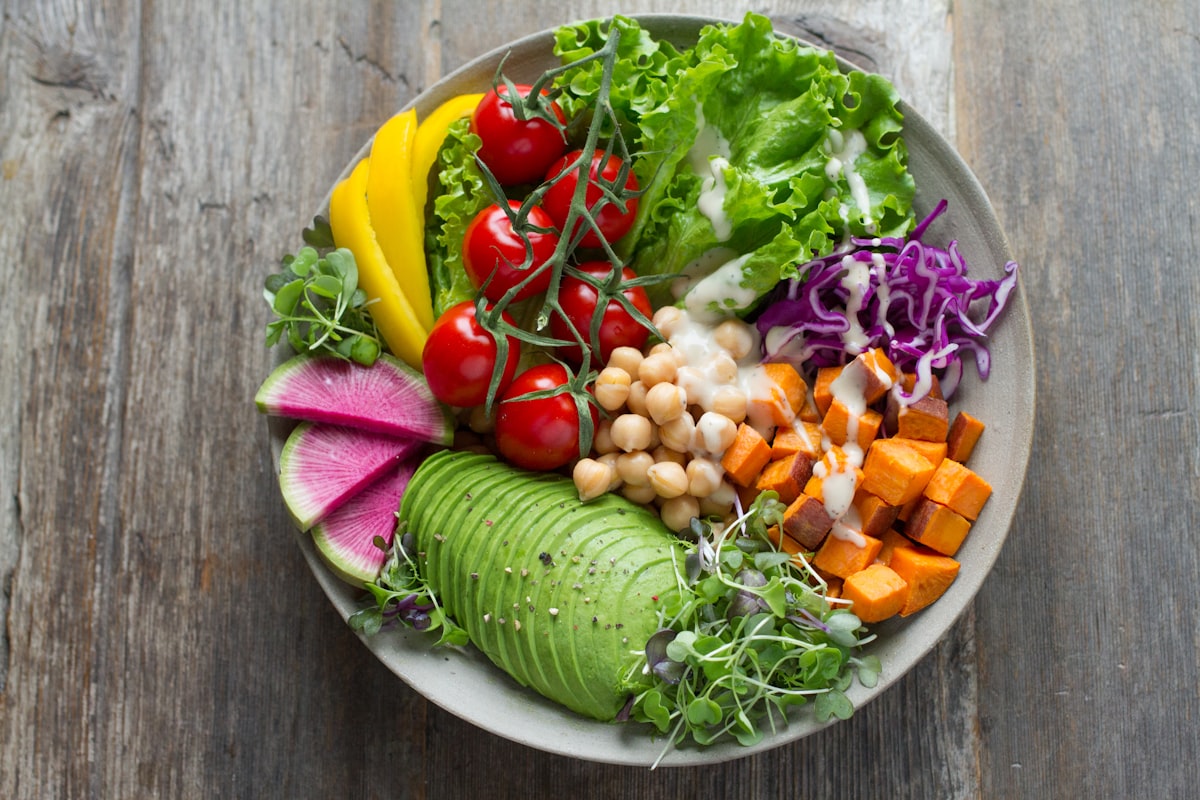
Optimal blood sugar management does not mean cutting carbohydrates or eating a restricted diet. It means keeping blood sugar levels consistent through the day, avoiding the large spikes and crashes that leave glucose lingering in the bloodstream for extended periods.
The factors with the strongest evidence for blood sugar stability are:
- Protein with every meal. Protein slows the absorption of glucose from food. Adequate protein through the day is one of the most practical, well-supported ways to keep blood sugar steady.
- Fibre. Vegetables, legumes, and wholegrains slow glucose absorption. The order matters too: eating vegetables and protein before starchy or sweet foods reduces the post-meal glucose rise.
- Movement after meals. Even a 10-minute walk after eating uses glucose in the muscles and reduces the post-meal blood sugar response.
- Sleep. Poor sleep directly reduces insulin sensitivity. One or two nights of disrupted sleep measurably affects how well the body handles glucose the next day.
- Managing chronic stress. Elevated cortisol (the primary stress hormone) raises blood sugar by releasing stored glucose and also reduces insulin sensitivity. Chronic stress is a sustained metabolic load, not just a mood issue.
None of these require a perfect diet or a complicated programme. They require consistency over time. And their effect on skin quality, through the glycation pathway, is real.

Why skin and metabolic health are one conversation
Clinically, good skin is built from the inside as much as the outside. When skin is dull despite a good routine, or healing more slowly than expected after a treatment, the metabolic context is worth considering, because the evidence supports it as a relevant factor.
Knowing where your own metabolic markers sit can be genuinely useful. A fasting glucose and HbA1c (glycated haemoglobin, a blood marker reflecting average blood glucose over the past three months) give you a baseline to work from. These are standard tests your GP can arrange, and they are a sensible reference point, particularly in perimenopause, when oestrogen changes affect both insulin sensitivity and collagen at the same time.
Practical starting points
- Ask your GP for a fasting glucose and HbA1c if you have not had them recently.
- Look at your meal structure, not to restrict, but to notice: are there long stretches without protein, or meals heavy in refined carbohydrates without much fibre alongside?
- Prioritise sleep. If one factor links skin health and metabolic health, sleep is it.
- If you are perimenopausal, consider whether metabolic health is part of your conversation with your GP or pharmacist. It often is not, and it should be.
Shop the products in this post
Treatments work better when the internal environment supports them. These antioxidant, barrier, and firming-focused products reflect the same inside-and-out approach:
SkinBetter Alto Defense Serum
£164
AllSkin Med C Radiance Gel
£65
Exuviance Vitamin C Serum Capsules
£61

AllSkin Med GF Firming Serum
£75
AllSkin Med GF Replenishing Cream
£70

30g Protein Breakfasts For Hormone Harmony
£3

Beyond Prescriptions: The Anti-Inflammatory Guide for Women
£199.90
Browse the full range at deboratentis.com. To look at your skin and metabolic health together, book a Happy Skin Holistic Consultation at Debora Tentis Clinic (£60).
Keep reading: Cortisol and stress sit right in the middle of the blood sugar story. Understand the hormonal causes behind common symptoms in PMS: The Hormonal Causes and What Actually Helps.
Debora Tentis is a Women's Health Pharmacist and Independent Prescriber Trainee at Debora Tentis Clinic, Milton Keynes. This post is for educational purposes only and does not constitute medical advice.