Lines, Wrinkles and Skin Boosters: When to Book Before Christmas

"Can I get something done before the Christmas party?" Every December the same question comes in, usually in the second week of the month. And by then, the answer is often "not quite in time".
It is not because treatment takes long on the day. It's because good treatment has steps around it: a consultation first, sometimes a prescription to be assessed, a review afterwards, and for skin boosters, a short course spaced weeks apart. Those steps are there to keep you safe, and they need room in the diary.
So this is a post about dates. If you've been thinking about your lines and wrinkles, or about skin that looks tired and dry this winter, here's how the timing works and when to book so your appointments fall before the Christmas break.
Lines and wrinkles: it starts with a consultation
Every lines and wrinkles appointment at the clinic starts with a consultation. It's 30 minutes, in the clinic in Milton Keynes. We go through your medical history, the medicines you take, what bothers you when you look in the mirror, and what you'd like to change.
Then we talk through your options. For some women that's a prescription treatment. For others it's a skin booster, microneedling, a peel or a better routine at home. Often it's a mix. You don't need to know which one you want before you come in. We work that out together.
Some treatments need a prescription assessed before they can go ahead, so allow at least 7 days between your consultation and your treatment. After treatment, there's a free review 2 weeks later to see how you've settled. The consultation fee comes off your first treatment if you book it within 14 days.
Related reading: if your skin and hair have changed in perimenopause or menopause, here's what happens and what helps.

Skin boosters: usually a short course
Skin boosters are injections placed just under the surface of the skin to improve its quality: hydration, texture and how well it holds up. They are not fillers. A filler adds volume or shape. A skin booster is about the skin itself, which is why women who say "I look tired" rather than "I look lined" often ask about them.
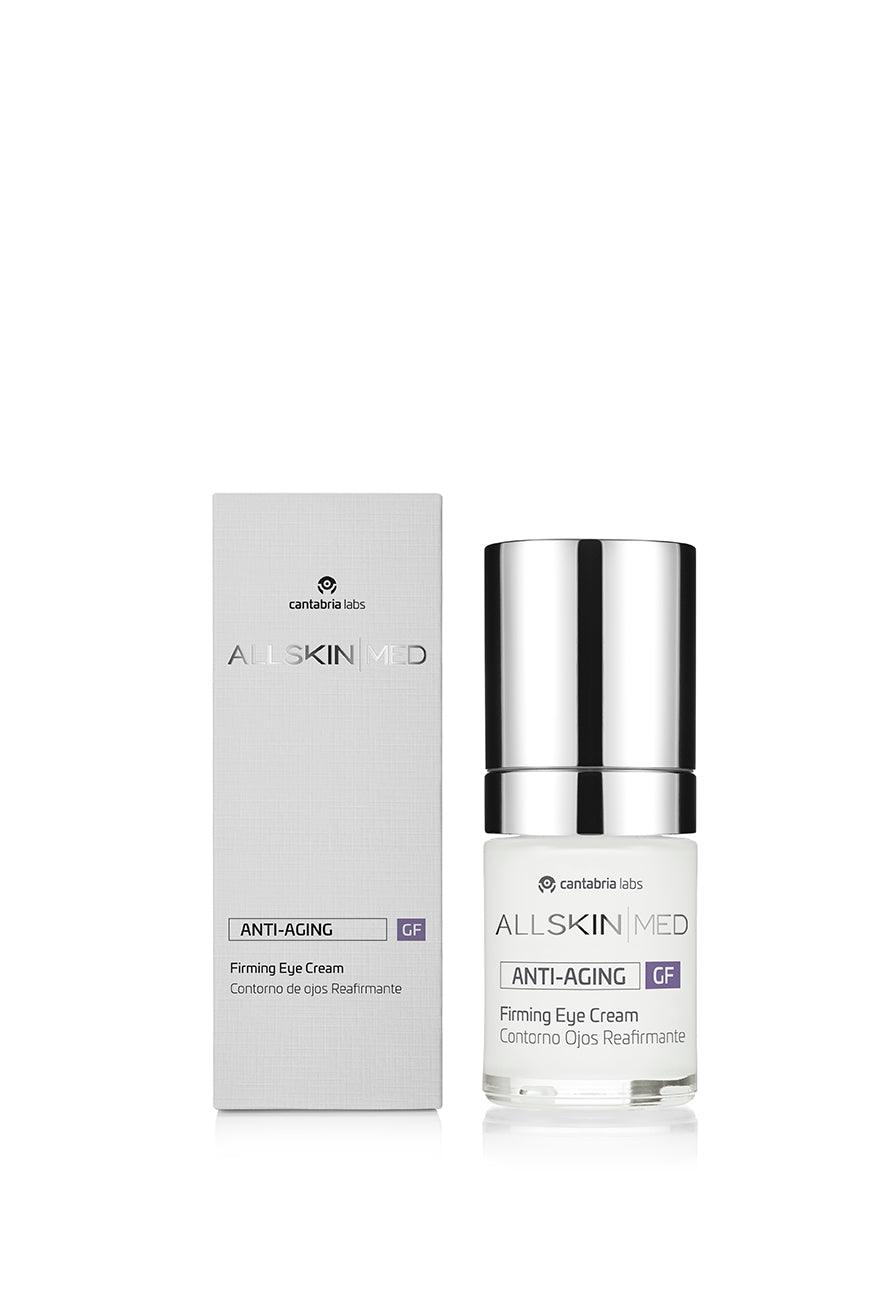
There are 2 main types. Hyaluronic acid boosters hold water in the skin. Polynucleotide boosters support the cells that make collagen and elastin. There's also a booster made for the thin, crepey skin under the eyes. Skin boosters start with a consultation too, so you know what you're having and why.
The part that matters for Christmas is this: a skin booster is usually a course. Most run as 2 to 3 sessions, 3 to 4 weeks apart. Any change builds gradually across the course, because your own skin is doing the work, so it is not a treatment for the night before a party.
Small bumps or redness where the injections went in are common for 1 to 3 days. Bruising is possible, and it can take a week or 2 to fade. If you have an event you care about, plan your session well ahead of it.
Who should wait, or not have treatment at all
The consultation is where we check that treatment is safe for you. These are some of the things that mean it should wait, or is not right for you:
- pregnancy or breastfeeding
- an infection, a cold sore or inflamed skin in the area being treated
- a fish or seafood allergy, for polynucleotide boosters, because they are made from purified fish DNA
- blood thinners, which make bruising more likely
- an autoimmune condition, or a tendency to raised scars, which we go through case by case
Bring a list of your medicines and supplements, and tell me about any treatment you've had in the same area recently. Another injectable in the same area within the last 2 weeks can change the plan.
A simple winter routine to sit alongside treatment
 Daily Soothing Cleanser
Senté
 Mineral Tolerance Fluid SPF 50
Heliocare
 Retinol 0.3% Night Serum
Neostrata
What helps at home, before and between appointments
Treatment in clinic sits on top of what you do at home every day. In winter that usually comes down to 3 things.
A gentle cleanse. Cold air outside and central heating inside both dry skin out. A soft cleanser that does not strip the skin keeps the barrier (the outer layer that holds water in) comfortable, especially in the days after treatment.
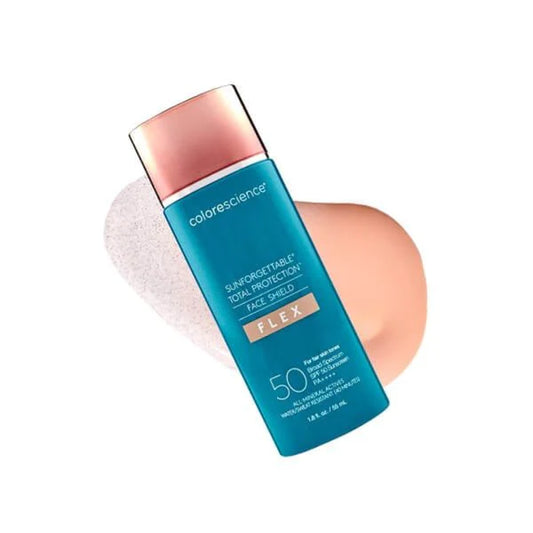
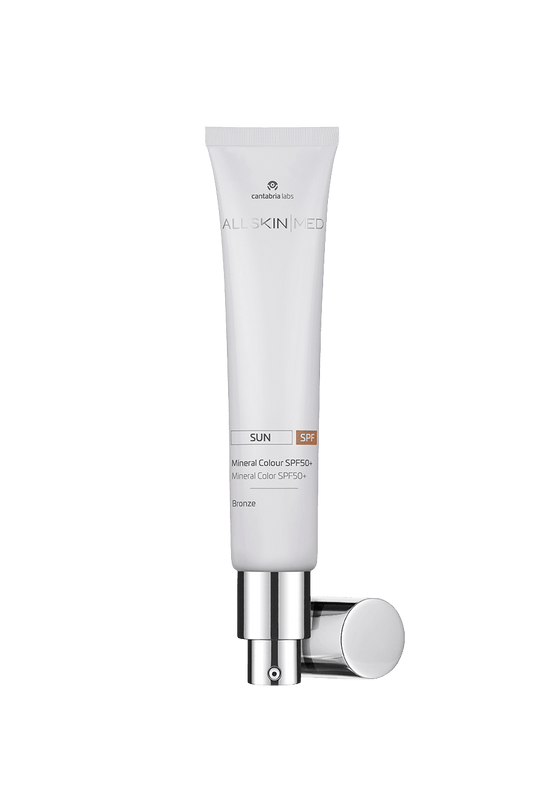
Daily SPF (sun protection factor), even in December. UV (ultraviolet) light is lower in winter but it's still there, and sun exposure over the years is one of the main causes of lines and uneven skin. A mineral SPF tends to suit skin that feels sensitive after treatment.
Vitamin A at night. Retinoids, the vitamin A family, have the strongest evidence of any skincare ingredient for fine lines. Start slowly, a few nights a week, and skip it if you're pregnant or trying to be. Ask at your consultation when to pause it around your appointment, because strong actives can irritate freshly treated skin.

Working back from Christmas
Here's how the dates usually fall if you'd like everything done before the break.
Lines and wrinkles. Consultation, then at least 7 days, then treatment, then your free review 2 weeks later. That's at least 3 weeks from your first appointment to your review. If you'd like the review done before Christmas too, book your consultation in early to mid November.
Skin boosters. With sessions 3 to 4 weeks apart, a consultation in early November usually means 1 or 2 sessions before Christmas and the last one in the new year. That's fine. The course carries on in January, and January skin rarely says no to a bit of help.
December gets busy for everyone, so the earlier you book your consultation, the more choice you have over dates.
Book your consultation
If you'd like to talk through your options for lines and wrinkles, or find out whether skin boosters suit you, book a consultation here. It's 30 minutes, in the clinic in Milton Keynes. You'll find prices on the treatment prices page, and every appointment type in the full clinic diary. Individual results vary and no outcome is guaranteed.
And if your skin has changed in a way that feels like more than winter, it may not only be your skin. Falling oestrogen in perimenopause and menopause affects collagen and how well skin holds water. The skin and hair page explains how the clinic works on both together.
After treatment: what needs help straight away
After a filler or skin booster treatment, if you have sudden or severe pain, or skin that turns pale, blue or blotchy, call the clinic straight away. If you can't reach the clinic, go to A&E and tell them what treatment you've had. For any change in your vision, call 999 or go straight to A&E. Swelling of your lips, tongue or throat, or difficulty breathing or swallowing after any treatment: call 999. Heat, spreading redness, pus or a fever in the days after treatment can mean an infection: contact the clinic the same day, or call 111 if you can't reach us.
Shop
Daily Soothing CleanserSenté
Mineral Tolerance Fluid SPF 50Heliocare
Retinol 0.3% Night SerumNeostrata
 DNA fx221 Recovery Serum
Priori
 Vitamin C Serum Capsules
Exuviance
 Restore PHA Eye Cream
Neostrata
 Hyaluronic Acid Sheet Mask
Neostrata
 A-R Emulsion SPF 50
Heliocare
Keep reading: if you'd like to know more about how skin boosters work and who they suit, here's polynucleotides and skin boosters, explained.
Every Sunday morning I send out my newsletter, Beyond Prescriptions, with 1 women's health lesson and what to do with it. You can sign up here.
Debora Tentis, Women's Health Pharmacist.