Is It the Season or Your Hormones? What Autumn Changes in Your Skin, Body and Sleep

So it happens around the same time every year. The heating goes on. It's dark when the alarm goes off. And somewhere in the middle of October you start to feel different. Your face feels tight by lunchtime. You can't get out of bed. You want soup, toast and an early night. And if you're in your 40s, the hot flushes seem to have got worse.
The easy answer is that it's your hormones. And sometimes it is. But at the same time, a lot of what we feel in autumn comes from the season itself: less daylight, drier air, cold mornings and warm rooms. Our hormones have to work in all of that too.
Why does it matter which one it is? Because what helps is different. So I've gone through it bit by bit: your skin, your sleep, your mood, your food and your hot flushes. What changes, what helps, and how to tell if it's the season or something that needs checking.
So what does autumn actually change?
Your sex hormones, like oestrogen and progesterone, don't really follow the seasons. Your ovaries don't know it's October. But your skin feels the dry air. Your brain notices the later sunrise. And the part of your brain that controls your body temperature has to cope with going from a cold street into a hot shop 10 times a day.
If you're in perimenopause, all of this lands on a body that's already adjusting. Falling oestrogen affects how much moisture your skin holds, how you sleep and how you handle heat. So the same autumn can feel much harder at 46 than it did at 36. It doesn't mean something new is wrong. You might be feeling 2 things at once, and both can be helped.
Your skin: dry air outside, drier air inside
Cold air holds less moisture than warm air, and the central heating dries the air inside even more. Your skin loses water faster in dry air, so it can start to feel tight, flaky or itchy a few weeks after the heating goes on. Long hot showers make it worse, because hot water washes away the oils that keep that water in.
Oestrogen helps your skin hold water and make collagen. So as it drops in perimenopause, skin tends to get drier and gets irritated more easily. Add the heating on top, and for a lot of women autumn is when their skin starts playing up. And if you have eczema or rosacea, the colder months are a really common time for flare-ups.
What helps:
- Have your shower warm, not hot, and a bit shorter.
- Put your moisturiser on while your skin is still damp, within a few minutes of washing, so it holds the water in.
- Use something richer at night. Look for ceramides, glycerin or shea butter on the label. Your summer gel might not be enough any more. If your skin is already tight and stinging, AllSkin Med Barrier Recovery Cream is the one I'd reach for. It's made to repair a barrier that's been through a lot.
- Go easy on exfoliating acids if your skin stings when you put your products on. That sting usually means your skin barrier needs a break.
- Wear gloves when you're out, and keep a hand cream by the sink. Hands are usually the first to crack.
- Keep your SPF on. UVA, the part of sunlight that ages your skin and makes pigmentation darker, comes through clouds and windows all year round.
Related reading: if you want to know more about why your skin changes in perimenopause, I've written about oestrogen and your skin here.
And if you've been thinking about vitamin A, start now. Retinoids, the vitamin A family, help with fine lines, uneven tone and texture. They take a few months to show, and at first they can make your skin more sensitive to the sun. So starting one as the sun gets lower kind of makes sense. If your skin is stinging, settle the barrier first, then start. Use it 2 or 3 nights a week at first, and build up slowly. SkinBetter AlphaRet Overnight Cream mixes a retinoid with a gentle acid and is made to be kind to your skin, and AllSkin Med R Advanced Renewal Serum is a mid-strength retinol. If you're not sure which one is right for you, just ask me. Keep your SPF on every morning, and leave retinoids out if you're pregnant, trying to get pregnant or breastfeeding.
 Barrier Recovery Cream
For tight, stinging skin
 AlphaRet Overnight Cream
Retinoid plus a gentle acid
 R Advanced Renewal Serum
Mid-strength retinol
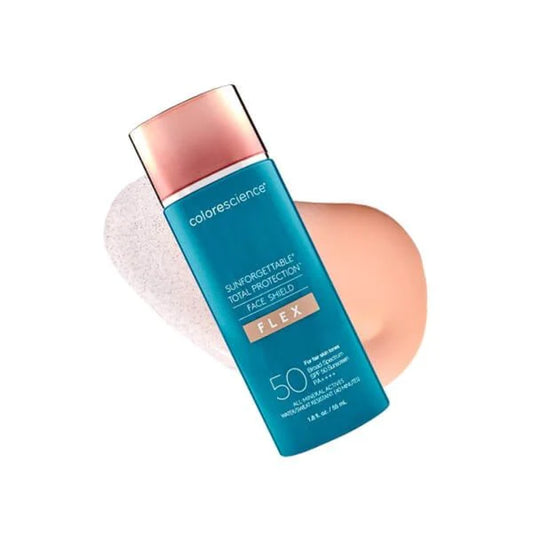
 Face Shield Flex
Tinted mineral SPF, hydrating
 Heliocare Pigment Solution
SPF 50 for pigmentation-prone skin
Your sleep and your body clock
Your body clock runs mostly on light. Daylight in the morning tells your brain the day has started. Darkness in the evening lets it make melatonin, the hormone that makes you sleepy. In autumn the mornings stay dark for longer, so a lot of us find it harder to wake up and feel slow until mid-morning.
What helps: get outside within an hour of waking up, even for 10 minutes, even when it's cloudy. Daylight outside is much brighter than normal indoor lighting, and it's the strongest cue your body clock gets. And try to wake up at the same time every day, weekends too. I wrote more about why the same wake time matters here.

The clocks go back on Sunday 25 October. You get an extra hour, but your body still wakes up at the old time for a few days. To make it easier, start the week before. From Monday 19 October, go to bed and get up about 10 minutes later each day. By Sunday, your body is already most of the way there.
Your mood. A lot of people feel a bit flat in the darker months. For some it's seasonal affective disorder (SAD), a type of depression that comes back at the same time every year. And in perimenopause, low mood and new anxiety can also come from changing hormones, so the season and your hormones can overlap. If you've felt low most days for 2 weeks or more, it needs to be checked. Please ask about it, because what helps depends on what's causing it.
Vitamin D. From October to March, the sun in the UK is too weak for your skin to make the vitamin D you need. So the UK advice is for everyone to think about taking 10 micrograms (400 IU) a day over autumn and winter, and for some people to take it all year round: if you don't get outside much, if you usually cover most of your skin when you're out, or if you have darker skin. Don't take more than 100 micrograms (4,000 IU) a day unless you've been advised to. If you buy a supplement, check the dose on the label. The one I stock is Zooki Vitamin D & K2, as liquid sachets or capsules. It's 75 micrograms (3,000 IU) a day, which is more than the NHS minimum, and that's on purpose. The minimum is there so you don't run low. What I'm aiming for is your levels in the optimal range, and in a UK winter a lot of us need more to get there. It's still under the daily limit, and it has vitamin K2 in it too. Vitamin D helps your body absorb and use calcium, and vitamin K helps keep your bones normal, so they work well together. Just don't take it on top of another vitamin D or a multivitamin that has vitamin D in it, and if you've had kidney stones, high calcium or sarcoidosis, ask me first. If you take other medicines, ask about it first. Some vitamin D products also contain vitamin K2, which isn't suitable with some blood thinners, such as warfarin.
Food and energy
Wanting warm, heavier food when it's cold and dark is completely normal. So go with it.
A bowl of soup, stew or chilli is one of the easiest ways to get protein and veg into 1 meal. Add lentils, beans, chicken or a couple of eggs on the side so it keeps you full for longer. And make a big pot, so your next 2 lunches are sorted.

Shorter days usually mean fewer steps, and you don't even notice. A 15-minute walk at lunchtime gives you daylight and movement at the same time, and it's much easier to keep up than a walk in the dark after work. And if you've been doing strength training over the summer, keep going. It's one of the most important things for your muscles and bones from your 40s onwards.
Your hormones: hot flushes, night sweats and the heating
So in perimenopause, as oestrogen drops, the part of your brain that controls your body temperature gets more sensitive. The range of temperatures your body feels comfortable in gets narrower, and even a small change can set off a flush.
And autumn is full of those small changes. You go from the cold street into a hot shop, then a cold car, then a warm office. At night it's the heavier duvet, the cosy pyjamas and the heating left on. That's when night sweats wake you up, your sleep is broken, and the next day everything feels harder. It's kind of a domino effect.
What can help:
- Wear layers you can take off quickly, instead of 1 thick jumper.
- Keep your bedroom cooler, around 16 to 18°C, with the heating off or low overnight.
- Swap 1 thick duvet for 2 thin covers, so you can throw one off without fully waking up.
- Keep a fan by the bed and a glass of cold water.
- Get to know your own triggers. Alcohol, spicy food, caffeine and stress are common ones, and a lot of women find a glass of mulled wine is followed by a bad night.
If flushes or night sweats are waking you up most nights, please don't just put up with it. There's a lot that can help, from small changes you make yourself to treatment. I've put them all in my free Your Options guide, and if you want to know more about HRT (hormone replacement therapy), I explain what it is and who it suits here.
So is it the season, or your hormones?
There isn't a perfect answer, but this can help you work it out.
It's more likely the season if it started when the heating went on or the clocks changed, it gets better within 2 or 3 weeks of the changes above, and you felt fine over the summer.
It's more likely your hormones, or both, if your periods have changed (closer together, further apart, heavier or lighter), your symptoms come and go with your cycle, or you had hot flushes, night sweats, broken sleep, new anxiety, achy joints or brain fog over the summer too. Or if you're in your 40s and 3 or 4 of these have turned up together.
My free Symptom Tracker makes this much easier to see. Fill it in once a week for the next month, and write down which day of your cycle you're on. If it gets better as you get used to the cold, it's probably the season. If it goes up and down with your cycle, or doesn't change at all, bring it with you to a consultation.
If you'd like help with it
If you can't tell which one it is, or you know and you'd like some help, that's exactly what the Women's Health Consultation is for. We sit down for 50 minutes, in person in Milton Keynes or on video, and go through your symptoms, your cycle, your sleep, your family history and what you've already tried. If a test will change the plan, I'll tell you which one and why. You leave with a plan, step by step, and your next review already booked in. Because what you need in October might not be what you need in March.
What doesn't wait
If you're having thoughts of harming yourself or ending your life, call 111, or 999 if you're in danger now. You can also call Samaritans any time on 116 123. A mole that's new, changing in size, shape or colour, itching or bleeding needs an urgent GP appointment: ask for an urgent skin cancer referral by name. Any bleeding after 12 months without a period needs an urgent GP appointment too: ask for an urgent suspected cancer referral by name. Bleeding between periods or after sex that keeps happening needs checking promptly by someone who can examine you: your GP or a sexual health clinic. Chest pain or sudden breathlessness is 999.
Shop
Barrier Recovery CreamAllSkin Med
AlphaRet Overnight CreamSkinBetter
R Advanced Renewal SerumAllSkin Med
Face Shield FlexTinted mineral SPF
Heliocare Pigment SolutionSPF 50
 Vitamin D & K2
Liquid sachets
 Symptom Tracker
Free
 Your Options
Free
Keep reading: if it's the tiredness that autumn has made worse, here's what to rule out first.
Every Sunday morning I send out my newsletter, Beyond Prescriptions, with 1 women's health lesson and what to do with it. You can sign up here.
Debora Tentis, Women's Health Pharmacist.